
Hunter College Elementary School (HCES) is often described as one of New York City’s “crown jewels” of gifted education. This publicly-funded K-6 school (located on Manhattan’s Upper East Side) offers exceptional resources for intellectually talented children, but entry is extremely competitive. In fact, only about 50 kindergarteners are admitted each year out of thousands of applicants. Navigating the HCES admissions process can feel daunting, but with a clear plan and a focus on your child’s overall development, you can approach it with confidence. This comprehensive guide breaks down each step – from eligibility requirements and testing to interviews and skill-building – into parent-friendly advice.
HCES Admissions Process: Eligibility, Timeline, and Key Steps
Eligibility Requirements: Admission to HCES is open to New York City residents from all five boroughs (recently expanded beyond Manhattan). Kindergarten is the only entry point, and children must turn 4 by December 31 of the year before they would start kindergarten. (For example, a child entering kindergarten in Fall 2026 must be 4 years old by Dec 31, 2025.) You cannot hold your child back a year to apply at age 6 – HCES strictly limits applicants to those who will start K at age 5. Additionally, parents/guardians must prove NYC residency and remain NYC residents throughout the child’s enrollment at HCES. No advantage is given for siblings or alumni; each child is evaluated on their own merit.
Overview of the Process: The admissions process has two main rounds:
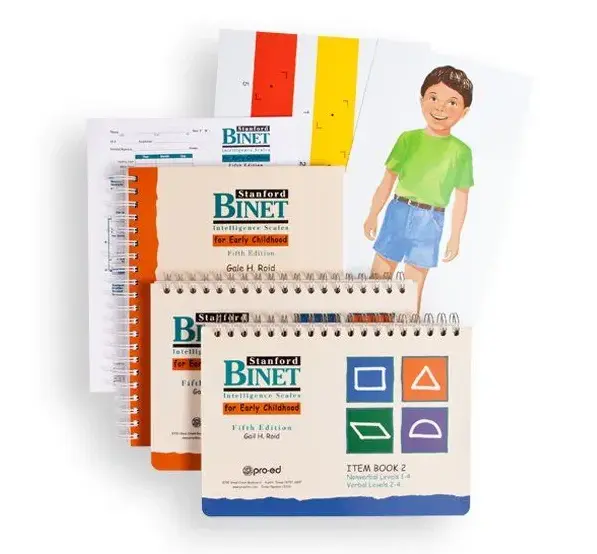
- Round 1: Submit an online application and have your child take an HCES-sanctioned IQ test (Stanford-Binet V). This occurs in the fall before kindergarten.
- Round 2: If the child’s test score meets the cutoff, they are invited for an on-campus assessment (a playgroup-style “interview”/classroom simulation) in the winter. Parents also submit additional forms at this stage. Final decisions are then made for admission.
Application Timeline and Key Milestones: HCES runs on an early timeline, so planning ahead is crucial. The table below outlines a typical schedule of steps for kindergarten admissions:
Timeframe | Admissions Step & To-Do |
Late Summer (Aug/Sept) | Application Opens: HCES usually opens the online kindergarten application in late August or early September. Create an account on the HCES admissions website and submit your application. Eligible families receive an application ID and pay a non-refundable fee (about $50 via online portal). (Tip: You will have about 3 weeks from application submission to get your child tested, so consider timing your application to fit your preferred test date.) |
Fall (Sept–Oct) | Application Deadline: Submit all parts of the application by the announced due date (often late October – e.g. October 31). Along with the form, include required documents such as the child’s birth certificate and any initial residency attestation (HCES may ask for proof of NYC address at this stage or in Round 2). Make sure to meet the deadline; HCES typically does not accept late applications. |
Fall (Sept–Nov) | Round 1 Testing Window: After applying, schedule your child’s Stanford-Binet V IQ test with one of HCES’s approved psychologists. You will receive a list of authorized testers and must pick only one – contacting multiple testers is grounds for disqualification. Testing must be completed usually within about 3 weeks of your application submission. Families pay the testing fee directly (around $350-$400 for the Stanford-Binet exam; financial aid is available for low-income families). During the 1:1 test (which lasts ~30–60 minutes), parents wait outside (you cannot be in the room). |
Late December – January | Round 2 Invitations: Children who score at or above the cutoff (typically around the 99th percentile on the SB-V) will be invited to Round 2. HCES does not disclose exact scores publicly; families are simply notified if the child advances (recently, results are given as a yes/no rather than a score report). Round 2 Assessments: During December or January, invited children attend an on-site playgroup session at HCES. |
February | Decision Notification: HCES sends out admissions decisions usually in February for entry that fall (). Only 50 children (25 girls and 25 boys) are accepted for kindergarten. |
Checklist of Application Steps: To summarize the process, here is a quick checklist for parents:
- Confirm Eligibility: Child meets the age requirement (4 by Dec 31 prior) and your family resides in NYC (any borough).
- Create Account & Apply: In September, fill out the online application on the HCES website. Double-check all info and submit before the deadline (typically end of October).
- Pay Fee & Get Test Info: Pay the application fee (around $50) online and watch for the email with your child’s unique test scheduling instructions ().
- Schedule the SB-V Test: Immediately contact one approved psychologist from HCES’s list to book your child’s Stanford-Binet V test. (Remember: only contact one tester (), and complete testing within the given window.)
- Prepare for Test Day: Ensure your child is well-rested and comfortable for the IQ test appointment. Bring any required ID or paperwork for the tester, and be on time. Parents will not be allowed in the testing room (), so be ready to wait outside. Keep the experience low-pressure for your child.
- Await Round 1 Results: HCES will notify you if your child qualifies for Round 2 (typically by December). If not, the journey ends here – remember that this process is extremely selective. If yes, congratulate your child and get ready for the next step!
- Complete Round 2 Forms: If invited, carefully complete the Parent Observation Form with honest, positive insights about your child. Promptly provide any residency documents (e.g. tax forms) requested. Coordinate with your child’s preschool teacher to ensure the Teacher Recommendation Form is submitted on time.
- Attend the HCES Visit: Bring your child to their assigned group visit day at HCES (in Dec/Jan). Encourage them to have fun and be themselves with the other kids. Parents typically do not participate in this visit, but you’ll handle drop-off/pick-up and any brief orientation given.
- Decision Time: In February, watch for the admission decision. If accepted – congratulations! Attend any admitted-family events and decide if HCES is the right fit for your child. If waitlisted, stay hopeful (some slots may open). If not accepted, remember that this outcome is not a verdict on your child’s potential – NYC has other great programs to explore.
Following this process step-by-step will ensure you meet all requirements. Next, we’ll dive deeper into preparing your child for the key assessments – namely the Stanford-Binet test and the group interview.
Preparing for the Stanford-Binet (SB-5) Test
One of the most pivotal components of HCES admissions is the Stanford-Binet V (SB-5) intelligence test. This standardized IQ test is used as the Round 1 assessment for all applicants. Here’s what parents need to know about the SB-5 and how to help their child shine on it:
Understanding the SB-5: The Stanford-Binet is a one-on-one exam measuring a child’s cognitive abilities across several domains. HCES uses a modified SB-5 for 4-year-old applicants, administered by licensed child psychologists. The test is only given in English (no translators), and it includes a variety of question types – many of which resemble activities a bright preschooler might encounter in a good pre-K. The SB-5 evaluates skills in five key areas:
- Fluid Reasoning: The ability to solve new problems and see patterns. For example, children might be shown a sequence of pictures and asked which comes next, or asked to complete analogies with images. This involves reasoning with visual patterns and analogies.
- Knowledge: General knowledge and vocabulary. The psychologist may ask the child to identify objects, body parts, or vocabulary words, or answer questions about basic facts (e.g. “Why do we wear a coat in winter?”). This gauges the child’s fund of information and language development.
- Quantitative Reasoning: Early math concepts and logical problem-solving. A child might be asked to count items, compare quantities, or solve simple puzzles involving numbers or shapes. This measures understanding of numbers, patterns, and basic arithmetic reasoning.
- Visual-Spatial Processing: The ability to analyze and manipulate visual information. Tasks may include assembling puzzles, identifying what’s “silly” in a picture, or copying geometric designs. For instance, one common type of question is a “visual absurdities” task: the child is shown a picture and asked, “What’s wrong or silly in this picture?” (e.g. a fish flying in the sky). This assesses attention to detail and spatial understanding.
- Working Memory: The capacity to hold and manipulate information briefly. The tester might tell the child a short story and ask simple questions, or ask the child to repeat a sequence of numbers or words from memory. One example is asking the child to repeat a sentence or remember the last word of a sentence. This evaluates listening skills and memory.
HCES’s Stance on Test Prep: The school explicitly discourages test preparation for the SB-5. In fact, the official admissions policy states that “HCES strongly discourages exposing children to the Stanford-Binet 5 prior to the formal administration of the exam… Testers are required to inform the Director of Admissions if there is evidence that a child has had previous experience with the exam… HCES reserves the right to disqualify any child… if testing for HCES is not the child’s first experience with the exam.” In other words, do not try to obtain or drill actual Stanford-Binet questions – if the tester believes your child has been tutored on the exact test, they will report it. HCES wants a level playing field.
That said, there is a big difference between “exposing a child to the test” and building the skills the test measures. You should work with your child on the underlying cognitive skills (vocabulary, counting, puzzles, etc.) – just without explicitly using real SB-5 test materials. In truth, most families do some form of preparation. As one testing expert noted, given the fierce competition for HCES, working on relevant skills in advance “will only work to your advantage.” The key is to practice broadly – not to try to game a particular question, but to ensure your child is comfortable with the types of thinking the SB-5 involves.
Effective Prep Strategies: Here are some in-depth strategies for preparing your 4-year-old for the SB-5 in a fun, developmentally appropriate way:
- Build Verbal Skills and Knowledge: A large portion of the SB-5 is verbal, so focus on enriching your child’s language. Read to your child daily and discuss the stories. Encourage them to ask questions and describe things in their own words. You can play vocabulary games (“I spy something that is enormous” or “What’s another word for happy?”) and teach them to name items in their environment. Talk about general knowledge topics – for example, when at the grocery store, name different fruits and vegetables, discuss their colors or which are heavier. If your child is bilingual, make sure to practice plenty of English at home before the test, since the exam will be in English. The goal is a child who is comfortable speaking with adults in English and can express ideas in full sentences.
- Practice Following Directions and Answering Open-Ended Questions: During the test, the psychologist will ask a variety of questions, many of which are open-ended (not just yes/no). For instance, instead of “Is this a dog?”, they might ask “What is this animal and what sound does it make?” or “Why do you think people need to sleep?” Encourage your child to answer in complete thoughts. You can practice this at home: ask questions that start with “why” or “how” to prompt your child to explain their thinking. Also practice multi-step directions (“Please go to your room, find your red ball, and bring it to me”). Strong listening and responsive communication will help your child shine in both the test and classroom settings.
- Play Thinking Games: Make skill-building into play. Puzzle games are fantastic – do jigsaw puzzles together to build visual-spatial skills, or play with pattern blocks and ask your child to replicate a pattern you make. Games like “what’s silly in this picture?” (you can draw a simple silly picture or find one in puzzle books) build the ability to notice details and think critically. Play “spot the difference” games in picture books to hone attention. Even classic games like Memory (Concentration) help with working memory – flip over cards and try to remember matches. Board games that require counting (like Chutes and Ladders) or simple strategy can also be useful, but HCES kids tend to go beyond Candyland – so introduce games like Chess or Uno if your child is ready, to practice planning and recognizing patterns (chess is actually very popular at Hunter!). Keep these activities light and fun, so your child enjoys exercising their brain.
- Develop Math and Reasoning Skills: Incorporate numbers and math into daily life. Count objects (“How many forks are on the table?”), compare quantities (“Are there more apples or bananas in our basket?”), and practice recognizing shapes and sizes (“Which toy is the biggest? Smallest?”). Use Lego or blocks to teach concepts like less/more or part/whole. Simple word problems are great too: “I have 3 cookies and add 2 more, how many do I have?” This builds the quantitative reasoning the SB-5 will test. You can also introduce pattern sequences (e.g., draw a sequence △ ○ △ ○ … and ask what comes next).
- Encourage Attention and Stamina: The testing session can last up to an hour, which is a long time for a 4-year-old to focus. You can gently prepare by doing “quiet activities” for increasing periods – like story time, coloring, or building blocks – to lengthen your child’s attention span. Teach them polite testing behavior: listen to the question, try your best, and it’s okay to say “I don’t know”. If your child tends to be very wiggly or shy with new adults, consider some practice “sit still and talk” play at home. For example, pretend to be the “tester” and ask your child a few questions, to simulate the scenario. This shouldn’t be drilled to the point of stress, but familiarity can reduce anxiety.
Recommended Resources: While you should avoid any actual SB-5 test questions, there are many resources and programs to help build relevant skills:
- Activity Books & Apps: Look for preschool workbooks that cover matching, patterns, letters, and numbers (many “kindergarten readiness” books fit the bill). Puzzle books with riddles or “find the silly thing” pictures are useful. There are also educational apps and games (like MentalUP or other brain-training apps) with age-appropriate puzzles and memory games.
- Enrichment Classes: NYC has several well-regarded enrichment and test prep centers that offer classes for 3-4 year olds targeting cognitive skills. For example, programs like FasTracKids or Manhattan Enrichment offer classes in math, logic, and language for preschoolers. These can provide structured practice in a small group setting. Some companies even run specific “Hunter prep” courses focusing on vocabulary, analogies, following directions, and other SB-5 related abilities. For instance, one NYC provider’s Hunter prep class covers “vocabulary, reasoning by analogy, classification, visual and verbal arithmetic, knowledge, working memory, patterns, and following directions” through fun games. This gives a sense of the breadth of skills that are beneficial.
- One-on-One Tutors: If you feel your child would benefit from personalized coaching – or if there’s a particular weakness you want to address (e.g. your child is very strong in math but weaker in verbal expression) – you could engage a private tutor experienced in kindergarten test prep. Companies like Bright Kids and TestingMom (among others) have tutors who work with young children on cognitive skills. A tutor can do “mock test” activities in a play-based way and help your child become comfortable with test-like tasks. Just ensure any tutor understands and respects HCES’s no-direct-prep rule (most professional tutors use similar materials, not the actual Stanford-Binet, to avoid prior exposure).
- At-Home Everyday Learning: Perhaps the most accessible resource is your daily home life. As one education expert notes, the SB-5’s content “closely resemble[s] what is taught in preschools and kindergartens” – patterns, vocabulary, verbal expression, math reasoning. So simply engage fully in your child’s early learning. Frequent library visits, trips to the zoo or museum, cooking together (for measuring and counting), and rich conversations all prepare your child in a natural way. (See the NYC Resources section later for specific free learning opportunities.) Even without a formal “test prep” program, a home filled with learning experiences will give your child a strong foundation.
Finally, keep in mind that while preparation can boost your child’s confidence and skills, it’s important to keep stress low. Frame the test as a “special playtime with a teacher” or something positive. Avoid telling your child that this is an high-stakes exam; pressure can backfire if a 4-year-old becomes anxious or resistant. By building skills gradually through play and interaction, your child will enter the test with curiosity and confidence rather than fear.
Interview Preparation for Children and Parents (The Round 2 “Playgroup”)
If your child is among the top scorers invited to HCES Round 2, congratulations – they’re in the final stretch! Round 2 isn’t an academic test but rather an observational evaluation. Both children and parents have roles to play in this stage (though the focus is primarily on the child). This section explains what to expect in the interview stage and how to help both your child and yourself prepare.
The Child’s Visit (“Playgroup” Interview): HCES designs the second-round assessment as a simulated kindergarten classroom experience. About 250–300 children typically make it to this stage. Kids are scheduled in small groups (often around 9 children per session) and attend a session at the school, usually on a Saturday or Sunday in January. In the room will be several HCES kindergarten teachers and child development specialists, as well as some of the psychologists who administered Round 1 tests (HCES brings them in to assist). No parents are in the room – you will drop off your child with the staff.
During the session, the admissions team engages the children in activities similar to a typical kindergarten class: perhaps a short circle time (singing a song or reading a story), a group activity like building with blocks or drawing a picture, and maybe a brief individual task or conversation. The adults observe how each child behaves in a group setting. They are looking at several aspects:
- Social Interaction: Does the child play or work cooperatively with peers? Do they share and take turns? Are they able to communicate their ideas or needs to other children and the teacher?
- Engagement and Confidence: How comfortable is the child in a new classroom? Do they participate in the activities, even if shy at first? There is no penalty for being quiet or reserved – the staff understands that personalities differ. In fact, HCES intentionally seeks a mix of temperaments in the class. Whether your child is outgoing or timid, what matters is that they warm up enough to engage with the group in some way by the end. One former admissions consultant noted, “if your kid is shy, don’t fret… The point of this visit is to determine how students behave in a classroom setting” – the observers are skilled at gently drawing out each child.
- Following Directions and Attention: The teachers will see if children can follow simple instructions (e.g. clean up toys when asked, or move to the story circle when its time). They know 4-year-olds won’t be perfectly obedient robots, but generally the child should show the ability to listen to the teacher. Similarly, can the child sit attentively for a short story or lesson? Being able to focus for a few minutes at a time is important.
- Communication and Language Use: While this is not an academic quiz, the staff might ask each child a few questions during the activities. For example, a teacher might chat with your child about their drawing: “Tell me about what you drew.” Or “What’s your favorite game to play?” They might ask the child to narrate a story from a picture book, or answer a question about the story that was read aloud. The purpose is to see how the child expresses themselves and responds to questions in a low-key setting. Again, there may be no right or wrong answers – it’s about observing the child’s thought process, vocabulary, and willingness to speak. Admissions officers often say they are looking at a child’s independence, confidence, creativity, and engagement during such interviews rather than quizzing for facts (). For instance, if a child is talking about their favorite thing to draw, it doesn’t matter whether they say “rainbows” or “dinosaurs” – what shines is the passion and detail with which they describe it ().
As a parent, how can you prepare your child for this playgroup experience? A few tips:
- Arrange Playdates and Group Experiences: If your child has mostly interacted one-on-one, try setting up some small group playdates or enrolling in a group activity (like a library story hour or a music class) before Round 2. This gives practice in being around other children they might not know, sharing adult attention, and following group routines. It doesn’t have to be formal – even a birthday party or a day at the playground in a group helps reinforce skills like waiting their turn and listening in a group.
- Practice “Classroom” Behaviors at Home: Role-play a pretend “circle time” at home. You can play the teacher and have your child be a student (maybe include some stuffed animals as other “students” for fun). Go through a short routine like greeting, singing a simple song, doing a quick show-and-tell, then transitioning to a pretend activity. Make it lighthearted, but sneak in those expected behaviors (“Now everyone, let’s put on our listening ears!”). This can help your child know what to expect in a structured setting.
- Rehearse Self-Introduction: Some kids get nervous around new adults. Practice a simple greeting: “When we go to Hunter, a teacher might say hi and ask your name. What will you say?” Teach them to answer questions like “How old are you?” or “What do you like to do?” with a full sentence (“I’m four and a half. I love to build with Lego.”). Just a little practice talking to unfamiliar grown-ups can boost their comfort.
- Encourage Sharing Their Thoughts: At home, continue encouraging your child to express ideas and stories. Ask them about their day or have them explain a game they made up. The more they practice verbalizing thoughts, the more confident they’ll be if a teacher asks them a question in Round 2. Remind them that in this “school playdate,” there are no wrong answers – they should just be themselves and have fun.
Perhaps most importantly, frame the experience as a fun adventure, not a high-stakes test. Children take their emotional cues from parents. If you convey excitement (“You get to go play in a new classroom and meet new friends!”) rather than anxiety, your child is more likely to approach the day with confidence. On the morning of the visit, give them a good breakfast, make sure they’re in comfortable play clothes, and arrive a bit early so they don’t feel rushed. When you hand them off to the teachers, a calm smile and reassurance that “I’ll be right here to pick you up after you play” can set the tone.
After the session, avoid quizzing your child intensely about how it went. (We know it’s tempting to ask “What did they do? What did you say?” in detail, but try to keep it simple.) The school specifically advises parents not to pressure the child – and psychologically, it’s best to treat it as just another playdate. Congratulate them for doing a good job and perhaps do a special little treat (like getting ice cream on the way home) so they associate the experience with positive feelings (). If they volunteer details, listen supportively, but don’t critique anything they say they did. At this point, the outcome is out of your hands, so it’s healthiest for both parent and child to relax and not dwell on it ().
The Parent’s Role in Round 2: Unlike many private school kindergarten admissions, HCES does not do formal parent interviews. You won’t sit with an admissions officer for a Q&A. Instead, your voice comes through in the written Parent Observation Form (and of course, how you’ve guided your child up to this point). That said, it’s still important to understand how to present yourself and your child well in this process:
- Parent Observation Form: This is essentially your chance to “interview on paper.” The form typically includes prompts asking you to describe your child’s learning style, interests, and notable moments in their development. For example, HCES has asked parents to share “moments or events or conversations that gave you insight” into your child’s thinking or curiosity. When filling this out, be honest, specific, and child-centered. Paint a vivid picture of who your child is. Instead of general praise (“Sam is very smart and loves science”), give a concrete anecdote (“When we visited the aquarium, Sam spent 20 minutes observing the octopus and later asked the librarian for books about ocean creatures. He’s extremely curious about how animals live.”). These real examples align with what HCES values – a child who loves learning. Keep the tone positive and factual; avoid sounding boastful or, conversely, too modest. Proofread what you write, and if there’s a word limit, stick to it. While some insiders note that the parent form is a relatively minor factor compared to the actual child observations, it still helps the committee get to know your child. It can sometimes illuminate aspects of a child (e.g. a special passion or a unique talent) that didn’t surface during the playgroup.
- Teacher Recommendation: You likely won’t see the contents of the Teacher Observation Form, as it goes directly from your child’s preschool teacher to HCES. However, you can ensure this step goes smoothly by giving your child’s teacher plenty of advance notice and thanks. Provide them any necessary info (like the email link or deadline from HCES) as soon as you know your child is invited to Round 2. It’s also wise to have a brief conversation with the teacher: let them know how much you appreciate their insight into your child. You might gently remind them of some strengths your child shows in class (especially things relevant to HCES’s focus, like intellectual curiosity or cooperative play). Do not pressure the teacher to write anything in particular – they are professionals and most are used to filling out these forms objectively. Just ensure they have the info and time needed. A gracious thank-you note afterward is always a nice touch.
- Parent Interactions with School: During the Round 2 session, you may or may not interact much with HCES staff beyond drop-off/pick-up. If there is an opportunity (say, a brief orientation or Q&A for parents while children are in their playgroup), treat it as an informal parent interview. This means: be courteous, come prepared with a couple of genuine questions about the school, and express your enthusiasm for HCES’s mission. Admissions officers remember parents who are engaged but not overbearing. For example, you might ask, “What do students seem to love most about kindergarten at HCES?” or mention something you and your child noticed on a tour that excited you (“We saw the student art projects in the hallway – our daughter was so intrigued by the solar system mural!”). Avoid grilling the staff with anxiety-fueled questions about odds of acceptance or comparing your child to others. They want to see that you are supportive and positive. If no formal parent session is offered, your main job is simply to be polite and punctual in all your communications – that also leaves an impression.
- Stay Calm and Supportive: The weeks waiting for the final decision can be tough on parents. Remember that by this stage, you’ve done everything you can. Try not to convey any stress to your child. Whether it’s a yes, no, or waitlist, make sure your child knows you are proud of them. If you get good news – celebrate! If not, be prepared to console and emphasize that it’s the school’s loss, not the child’s. (Thankfully, at 4 years old, many children won’t grasp the competitive aspect unless they’ve been made acutely aware of it.) Often parents are more heartbroken than the child; have a plan for how to handle any outcome, and keep perspective. HCES is wonderful, but it’s not the only path to a great education.
In summary, treat the HCES interview stage as an opportunity for your child to shine socially and emotionally, and for you to represent your child’s story through the written form. By fostering your child’s comfort in group settings and communicating effectively on their behalf, you’ll maximize their chances to make a great impression in Round 2.
Fostering the Social-Emotional Skills and Creativity HCES Values
Academic prowess alone isn’t enough to thrive at Hunter College Elementary – or to get in. HCES prides itself on a holistic, “whole child” approach to gifted education. Its classrooms are known for a progressive vibe that encourages creativity, thinking outside the box, and exploring tangents in learning (). Teachers don’t just accelerate content; they also help kids grow into independent thinkers who can collaborate, create, and navigate their emotions. In the admissions process, the staff is explicitly looking at qualities like social maturity, self-regulation, curiosity, and creativity in each child. Thus, a crucial part of preparing for HCES (and any rigorous program) is nurturing your child’s social-emotional skills and creative mind. Here’s how parents can support these areas from an early age:
1. Encourage Empathy and Social Skills: Emotional intelligence will help your child in group settings like the HCES classroom. Starting in toddlerhood and preschool, practice naming feelings and talking about others’ perspectives. For example, if your child accidentally knocks over a friend’s block tower, guide them to see how the friend might feel and to say “I’m sorry.” Model empathy in your own behavior – let your child see you being kind and considerate. Research shows that social-emotional skills (like self-control, listening, and sharing) are foundational for success in kindergarten. You can foster these skills through simple routines: waiting turns during family games, following rules (even just rules of a make-believe game), and doing small responsibilities (“Let’s feed the pet; you scoop the food”). Arrange play opportunities with peers so your child can practice interacting. When conflicts arise, coach them on using words to express feelings and find solutions. Remember, young children are still learning these skills – it’s okay if they struggle. Patient guidance and consistency will build their social toolbox over time.
2. Build Self-Control and Independence: HCES will expect children who can work independently and handle the minimal structure of a progressive classroom. To nurture this, give your child chances to do things by themselves. It might be faster to tie their shoes or clean up for them, but letting them take charge of age-appropriate tasks builds confidence and self-regulation. Establish simple daily routines (for example, a bedtime routine where your child knows how to put on pajamas and brush teeth with little help). This develops their ability to follow routines and directions – a key part of kindergarten readiness. Practice “delayed gratification” in small doses: if your child asks for a snack while you’re cooking, have them wait a few minutes and perhaps help set the table meanwhile. Such exercises strengthen their self-control and patience. During story time, gradually increase the length of books you read to improve their listening span. These efforts will help your child show up to a classroom ready to engage and learn alongside others.
3. Spark Creativity and Imagination: Creativity is highly valued at Hunter. A look into HCES classrooms reveals kids doing things like inventing complex block structures, creating art, and even playing an Ancient Egyptian board game in kindergarten (). To cultivate your child’s creativity, provide lots of open-ended play. Stock up on art supplies – crayons, paper, play-dough, recyclable materials for crafts – and let your child freely draw, build, and make believe. Process matters more than the product; praise their effort and ideas (“I love how you mixed those paint colors!”) rather than aiming for a perfect finished drawing. Encourage pretend play: your living room can become a spaceship, a restaurant, or a jungle safari led by your child’s imagination. Join in their pretend scenarios to show you value their creative ideas. Additionally, expose them to the arts and sciences in engaging ways. Take advantage of NYC’s cultural offerings: a visit to a museum or a kids’ theater show can ignite new imaginative play at home (more on this in the NYC resources section). Remember, creativity isn’t just art – it’s also about creative thinking in problem-solving. When faced with a challenge (like building a taller block tower or figuring out how to get a toy from a shelf), instead of jumping in with the solution, ask guiding questions: “What else could we try? What do you think would happen if…?” This encourages your child to brainstorm and experiment, which is exactly the mindset HCES loves to see.
4. Support Emotional Resilience: Gifted children can sometimes feel big emotions – whether frustration when things aren’t perfect or anxiety in new situations. Helping your child develop coping skills will serve them well at a rigorous school. Practice naming and validating emotions: “I see you’re upset that your puzzle piece isn’t fitting. It’s okay to feel frustrated.” Teach simple calming techniques, like taking three deep breaths or counting to ten when angry. You can role-play scenarios: What can we do if we feel scared or shy in a new place? Maybe come up with a “brave thought” or a quiet way to ask the teacher for help. Emphasize that mistakes and failures are part of learning. If your child spills juice while pouring, for example, instead of scolding, calmly clean up together and say, “Mistakes happen – that’s how we learn to do it better next time.” This builds a growth mindset. HCES will challenge students, so kids who can persevere and handle not being the best at everything every time will adapt more easily. You can foster this by celebrating effort over results at home (“You worked really hard on that drawing!” or “I’m proud of you for trying again after it fell down.”).
5. Play and Explore Together: One of the best ways to develop social-emotional and creative skills is through play with your child. Get down on the floor and follow their lead in play. If your child is into trains, make up a story together about where the train is going. If they’re into superheroes, role-play rescuing stuffed animals in distress. During these playtimes, slip in social lessons (“Oh no, two superheroes want the same cape – how can we solve this?”) or creative twists (“What if this superhero has to solve a problem without powers – what would they do?”). Also, take your child out to explore various environments: parks, nature walks, museums, libraries. These outings not only expand their knowledge, but also require them to adapt to new settings and practice good behavior in public (like listening to a librarian during story hour, or holding hands to cross a street). By leveraging NYC’s rich resources – from the diversity of people at the playground to the wonders of a science museum – you provide social learning opportunities that no worksheet can match.
In short, raising a child who is kind, curious, and creative is the best preparation not just for HCES admissions, but for life. The process of emphasizing social-emotional growth and creativity should start early (long before the application) and continue throughout. Not only will these traits help your child stand out in an interview or classroom observation, but they will also ensure your child thrives socially and emotionally once at HCES. As one education expert put it, we want our children “ready for one year of school, and a foundation for life” – focusing on empathy, creativity, and resilience will give them that foundation.
Navigating NYC-Specific Factors: Residency, Local Resources, and Support
Preparing for HCES isn’t just about the child – it’s also about parents understanding the NYC-specific logistics and leveraging local resources to support their journey. This section covers some practical New York City tips, from proving your residency to finding enrichment programs, that will help streamline the admissions experience.
Proving NYC Residency: Since HCES is only open to NYC residents, you’ll need to verify your address according to their rules. In Round 1, when filling the application, you will affirm that you live in NYC (and provide your address). Before Round 2, HCES requires formal proof: specifically, a copy of your New York State tax return (IT-201) showing that your address is in one of the five boroughs (). This is a stricter standard than many public schools (which might accept utility bills, etc.). HCES explicitly states that documents like utility bills, bank statements, or vehicle registrations are not sufficient proof of residency (). So, ensure that:
- You have filed a NYS resident income tax return for the most recent year (and it has your current NYC address).
- The address on your application matches your tax documents and ID.
- Both custodial parents/guardians are prepared to show proof if required. (In prior years, HCES asked for copies of both parents’ NYS tax returns in the application packet, so if both parents are on the scene, each should have NYC residency documentation.)
- If you recently moved to NYC, gather alternate official proof as guided by HCES (lease agreements, etc., though they prefer the tax form). Contact the admissions office if unsure – they can clarify acceptable documents. Keep all proofs ready to submit promptly when asked in Round 2.
It may be wise to have a Proof of Residency form notarized if required – check HCES instructions. Essentially, be ready to leave no doubt that you reside in NYC. Also note that you must remain a NYC resident throughout your child’s tenure at HCES (). If you were considering moving to the suburbs, know that doing so would forfeit your child’s spot.
NYC-Based Test Prep and Tutoring Programs: New York City is home to numerous tutoring companies and prep courses for almost any kind of test – including the Stanford-Binet and kindergarten admissions. While HCES discourages over-prepping (and you should never use actual test items), many local programs can help your child practice the types of questions and skills needed. Here are a few well-known options:
- Bright Kids NYC: A tutoring service specializing in early childhood test prep (they’ve been around for G&T and private school tests for years). They offer one-on-one sessions and publish workbooks. Bright Kids is aware of HCES policies and focuses on building analogous skills rather than memorizing test questions. Their experts acknowledge the broad range of abilities needed for the SB-5 and tailor tutoring accordingly. If you want a personalized plan, Bright Kids could assign a tutor to come to your home or have sessions at their center.
- TestingMom.com: An online platform co-founded by Karen Quinn (author of The Ivy Chronicles). They provide extensive practice questions, games, and even live small-group classes for various tests. In fact, TestingMom has run “Hunter prep” workshops specifically targeting the SB-5 domains. These classes use game-based learning to improve vocabulary, analogies, memory, and more – basically mirroring what we outlined in the prep strategies. TestingMom also offers consulting calls to advise parents on admissions strategies. This can be convenient if you prefer online resources and flexible drill practice at home.
- FasTracKids / Eye Level / Other Enrichment Centers: NYC has a thriving scene of learning centers for young children. Some names to look up: FasTracKids (which has a “G&T bootcamp” and general enrichment for ages 3+), Kumon (math and reading programs that can build core skills, albeit not test-specific), Eye Level Learning, and Halstrom. While these aren’t Hunter-specific, they can bolster your child’s academic skills and classroom behavior in a structured environment. For example, FasTracKids has programs that improve attention span, reasoning, and communication in a classroom-like setting – helpful for both the test and group interview.
- Private Preschool Programs with HCES in Mind: Some parents choose certain nursery schools or pre-K programs known for a strong academic and cognitive curriculum, hoping that will prepare their child naturally for HCES. If your child is younger, you might consider this route (though it’s by no means required). Some Manhattan pre-Ks are reputed “Hunter feeders” in that they emphasize the same kind of exploratory learning and skill-building (and simply due to demographics, they have more kids apply). There isn’t an official feeder school, but being in any quality pre-K where your child gains pre-reading, math, and social experiences will be beneficial. If your child isn’t in preschool, don’t worry – but try to expose them to group learning in other ways (library classes, etc.) as discussed.
Always remember the fine line: prep the skills, not the exact test. Any program you enlist should respect that. HCES will ban families found to have cheated the system. The good news is that reputable NYC prep programs know this and design their curriculum to enhance underlying abilities. Use them as needed to supplement your own efforts, especially if you feel your child responds better to a teacher figure or needs a bit of structure beyond what you can provide at home.
Public Resources: Museums, Libraries, and More: One amazing advantage of preparing for HCES in NYC is the wealth of free or low-cost educational resources at your fingertips. You can enrich your child’s learning (and indirectly prep for tests and school) by taking advantage of the city’s cultural institutions:
- New York Public Library (NYPL): The public library system offers free early childhood programs at branches in every borough. These include storytimes, music and movement classes, toddler playgroups, and more. For example, the NYPL’s Little Learners programs feature songs, bilingual story sessions, and interactive play led by librarians. Attending such programs regularly can boost your child’s listening skills, vocabulary, and comfort with group settings. Libraries also often give out free books and activity guides. Make it a habit to visit your local library and check the schedule for kids’ events – it’s a fun outing and educational too. (Bonus: get your child their own library card when eligible; it makes them feel proud and grown-up!)
- Museums and Zoos: NYC’s museums are like giant classrooms. Many have specific programs for young children. For instance, the American Museum of Natural History offers classes and family workshops for kids as young as 2 years old. Imagine your child attending a “Little Paleontologists” class and learning about dinosaur fossils – they’re gaining knowledge and inquiry skills while having a blast. The Children’s Museum of Manhattan has hands-on exhibits perfect for the preschool set, and often hosts art and science activities. The New York Hall of Science in Queens is another interactive wonderland that encourages exploration. Even a casual visit to places like the Bronx Zoo or Central Park Zoo can be educational – talk about the animals, their habitats, and spark your child’s curiosity (many a Hunter essay or interview has featured a kid’s fascination with something like animals or space nurtured by these visits).
- MoMath and Other Enrichment Museums: As your child grows, keep in mind places like the Museum of Mathematics (MoMath), which has programs for early elementary kids. While a 4-year-old might be too young for formal workshops there, a simple trip to see shapes and patterns in a playful setting can ignite mathematical thinking. Similarly, the Liberty Science Center (just across the river in NJ) or the Brooklyn Children’s Museum provide interactive learning ideal for this age.
- Parks and Free Events: Don’t overlook NYC Parks’ free programs – from nature walks to kids’ festivals – often posted on the NYC Parks Department website. Also, keep an eye on the event calendars of institutions like the Metropolitan Museum of Art (they have Start with Art programs for little ones) or local universities (Hunter College itself might have occasional family events since HCES is affiliated with it). Every experience counts. A child who has roamed the halls of a museum or observed tadpoles in Central Park has more “world knowledge” to draw on in conversation and thinking, which can come through in an admissions setting.
Using these public resources not only enriches your child’s development but can also be strategically useful. For example, in the parent observation form or an interview question like “What does your child find interesting?”, you can reference these experiences: “My son loves visiting the Natural History museum; after seeing the space show, he wanted to build a cardboard rocket at home.” It demonstrates that your family takes advantage of living in a vibrant city to foster learning – something admissions officers appreciate.
Networking and Support: The NYC education scene can be overwhelming. Don’t hesitate to connect with other parents who have been through HCES admissions or are also applying. Online communities like local parent forums, the NYC Gifted & Talented parent Facebook groups, or the forum at InsideSchools can offer valuable tips and moral support (just remember to take any “my kid did X and got in” anecdotes with a grain of salt – every child is different). There might be local workshops or info sessions about Hunter admissions; for example, some tutoring companies or parenting organizations host free seminars on “Navigating NYC Gifted Admissions” – these can be informative. HCES itself usually holds a Prospective Parents session or an Open House (sometimes virtual) – attend that if offered, as you’ll get to hear directly from the school and ask questions.
Finally, keep the big picture in mind: The journey to HCES is a marathon, not a sprint. It might start with nurturing your baby’s brain and end with a nail-biting wait for that February letter. Along the way, tap into New York City’s resources and community. Not only will this improve your child’s chances, but it will also make the process more enriching and less stressful for you both. By the time you’re done, you’ll have given your child a head start in learning regardless of the outcome – and that is a win in its own right.
Conclusion: Putting It All Together for Your Child’s Success
Preparing for Hunter College Elementary School admissions is a multi-faceted endeavor. It involves understanding the process (so you never miss a deadline or requirement), guiding your child’s development (so they can shine in both testing and in the classroom), and making the most of NYC’s opportunities. As a parent, you are both your child’s advocate and their first teacher. By using this guide to reorganize your approach – focusing on each key area from cognitive skills to emotional growth – you’re essentially creating a personalized roadmap for your child.
Remember that every child’s journey is unique. HCES is looking for bright, inquisitive young learners who are also kids – not little adults with resumes. Show them a child who loves to learn, play, and explore, and you will have shown them the real spirit of Hunter. Whether it’s through daily bedtime stories that build vocabulary or weekend adventures that spark curiosity, every small step you take now is preparing your child not just for the HCES admissions process, but for a lifetime of learning.
In the end, if your child is admitted to HCES, you’ll have a wonderful foundation to build on (and an exciting new chapter to begin!). If not, all the love, education, and experiences you invested will still serve your child incredibly well in whatever school they attend. As you guide your “little applicant” through this process, keep the tone positive and the pressure in check. With a clear plan and a supportive approach, you can make the journey to Hunter College Elementary School both effective and enjoyable for your family. Good luck – you’ve got this!
Need additional assistance preparing your child for the SB-5? Reach out to us for SB-5 tutoring.